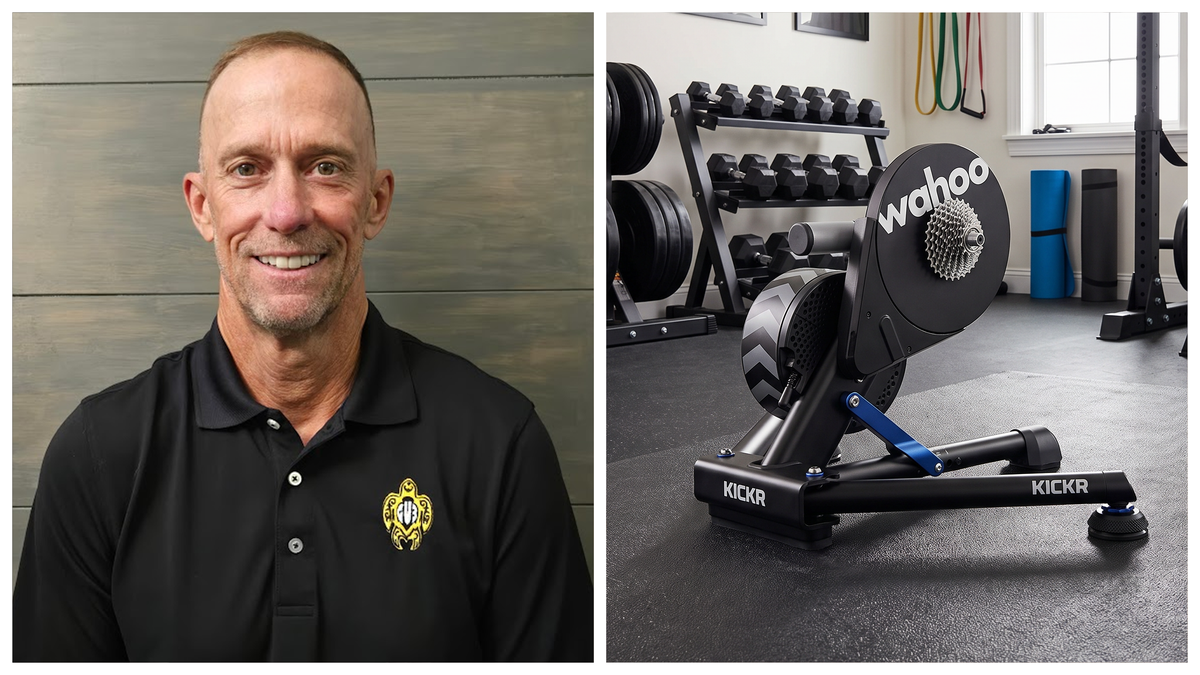


With more than 25 years as an endurance athlete, coach Doug Guthrie knows how steep the triathlon... Read more
Cart
Your cart is empty

With more than 25 years as an endurance athlete, coach Doug Guthrie knows how steep the triathlon... Read more

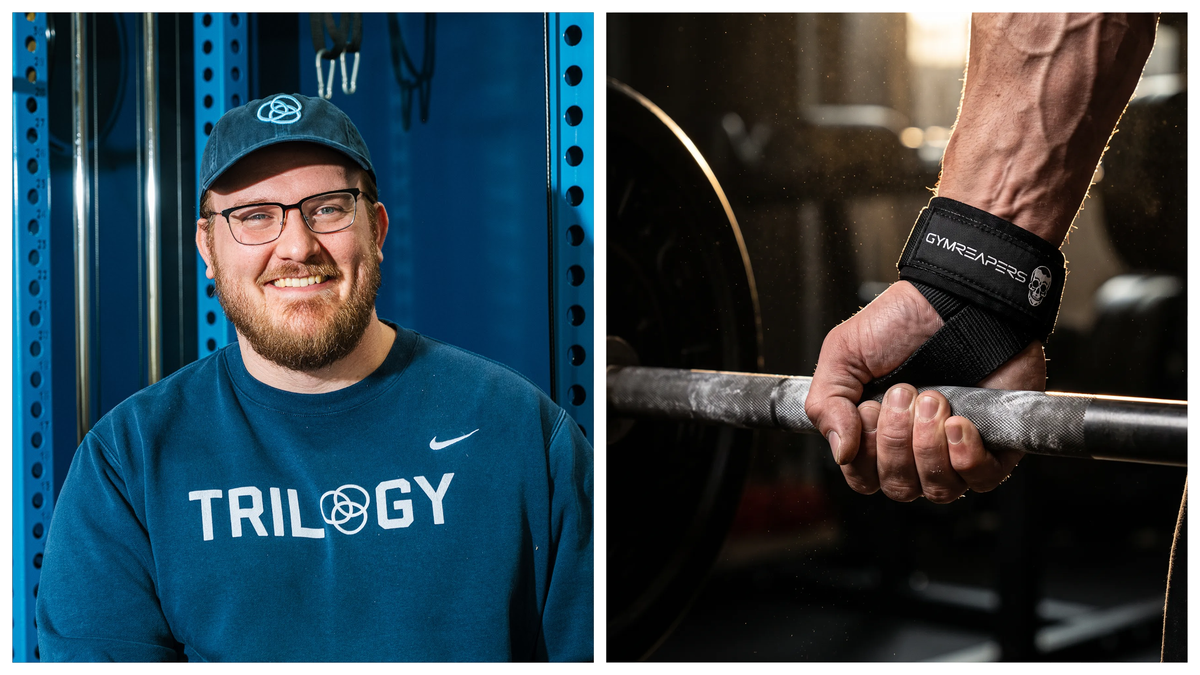
The right strength training gear should earn its place in your workout routine. Certified persona... Read more

Poet and author Emily Hyland keeps her writing setup refreshingly simple. A published author sinc... Read more

Certified personal trainer Zach Schunder was tired of burning through workout pants. After seven ... Read more

Dr. Noah Greenspanis a board-certified clinical specialist in cardiovascular and pulmonary physical therapy and the Program Director of the Pulmonary Wellness & Rehabilitation Center. He is one of the most renowned medical sources in the lung health space, offering high-caliber respiratory care and educational materials, and delivering his medical treatment free of charge. Greenspan has specifically worked with long-COVID patients over the last 6+ years, giving him unique expertise on how this particular immunocompromised group should prepare for allergy season.
KN95 masks can help add a layer of protection by covering your nose and mouth. As Greenspan says, “air can enter our body in two ways: our nose and our mouth,” so a well-fitting mask helps create a barrier right where you need it most. That’s especially helpful in crowded spaces or anywhere you don’t really know what you’re walking into.
Greenspan says he wears a mask in crowded, unpredictable spaces like theaters, airports, planes, and work. “Masks are so easy to take, fold up, get an individually wrapped one that you could put in your pocket. It’s like you may not use it, but you have it in case you need to.”
Greenspan says many patients choose surgical masks because they feel more comfortable, but that comfort can come with a tradeoff. “Most choose to use a surgical mask because it’s the most comfortable, and a good kind of rule of thumb is the more comfortable it is, the less protective it is.”
KN95 masks are designed to fit more snugly around the nose and mouth, which helps reduce gaps and creates a stronger barrier than a traditional loose-fitting surgical mask.
If These Walls Could Talk” operates independently and exercises sole editorial discretion in all content decisions. While certain brands, products, or services referenced may have current or prior relationships with our affiliated marketing agency, such relationships do not influence our editorial content. We disclaim any liability for conflicts of interest, omissions, or outcomes arising from reliance on our content. All information is provided for general informational purposes only and should not be relied upon as professional or individualized advice.